

becoming a generalist –
learning traditional skills for a community-sufficient future
becoming a generalist in the culture of the specialist is a growing revolution. in reskilling we discover both autonomy and connection. ecologically, economically, the era demands that we learn to make more of what we need, in our communities, with local materials, with our own hands.
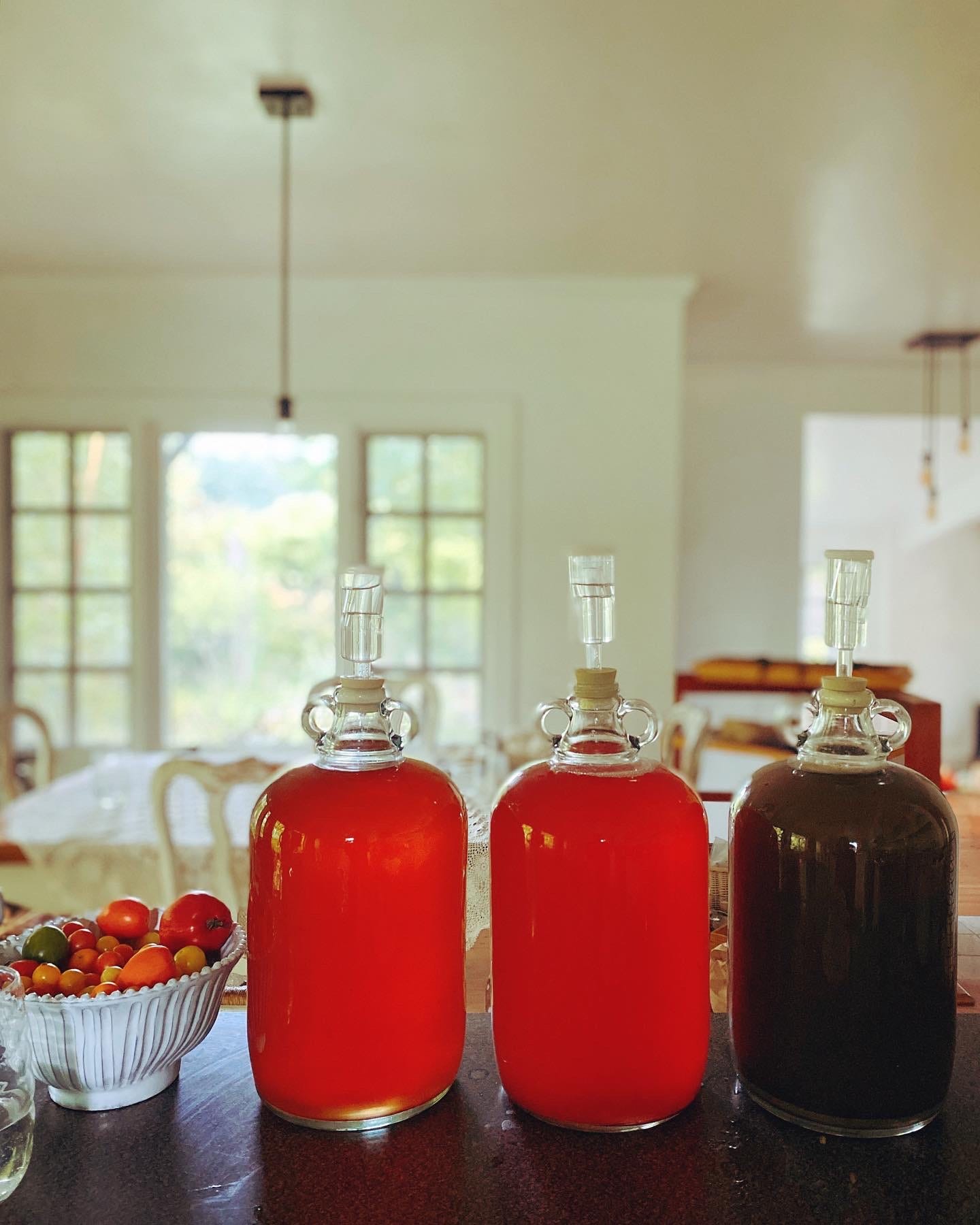
once, a village might have taught us more than any school. with elders, mentors, by sharing work or just through living. in reinventing the children’s education with our own hands and through that, my own, a natural pattern of learning-in-place, within the community, emerged. this is now an experimental act of self-education, of becoming autodidacts, lifelong learners.
learning to brew is one of those skills that i’m practicing, without expertise, with just enough knowledge cobbled from books, conversations, watching, learning wherever i can, in snippets of time i might find in our days. studies often draw directly from the land, as the trees provide such bounty there’s nothing to do but drop everything and pay attention.
in learning to brew we reckon with a series of challenges. in a small way we reinvent a world where the expert, the company, the corporation makes everything for us, just as we play audience to the singer, the actor, customer to the clothing shop, the restaurant, the supermarket. follower to the leader.
what did people used to do, traditionally, before the industrial stepped in?
we change the world when we join in and brew, sing, write, sew, cook, grow, act.
in experimenting with flavours from what grows around us, we begin to arrive, to become grounded. to actually eat and drink from our surroundings is a radical act of reconnection.
in reviving traditional skills in everyday life, we need only know enough to begin. we can start small. most skills are astonishingly basic, at the outset. one can become an expert, but what’s wanted now is sufficient community-reliance to make what’s needed, with a pleasing immediacy that simplifies how we live and our impact on the earth. pick, press, culture, ferment, all right here.
so we remake our world with our own hands.


this small work first appeared six years ago, and i must say i find its reminders are as much for me as all the folks who welcome it whenever i circle back. we can learn these skills, just enough, and get started, bringing things home into our own hands. at the farm right now, elderflower season is in full swing and i always contemplate elderflower wine. if that’s not in your playbook yet, or life is just too full for it this year, here’s a simple infusion you can try, for a gorgeous tipple:
or, pick some umbels as fresh as possible, lay them somewhere airy to dry, then crumble into a jar for a beautiful herbal tea infusion. thanks for reading and commenting, thanks for sharing my work, and thanks ever so much for supporting it! 𖡼.𖤣𖥧𖡼.𖤣𖥧
Elise, I found your treasure-trove-of-a-blog after watching youtube videos on ducks in the gardens. My daughter purchased 4 blue swedish ducklings in the spring, and a neighbor-friend and I just went in on 10 runner ducklings together. We're new homesteaders, so trying to figure it all out piece by piece. We're doing things regeneratively, rotationally...which is actually difficult to find information and visuals on, especially in the beginning and transitional stages. Your infrastructure is, of course, permanent, so it wasn't helpful in that regard, but it was lovely, and I've enjoyed perusing more of your posts. I sat with my daughters to watch the duck video. The ducks are my husband's favorites on the farm - I look forward to when they are older (and my plants bigger) and can roam more. I enjoyed this post on regaining traditional skills. People love to quote "Jack-of-all-trades, master of none", but that's only the first half of it. The last half goes "often makes more than master of one." While in the process of waiting for our homestead (which was a long legal process for various reasons), we read lots on regenerative farming, attended conferences to learn, I learned how to make my own brooms and how to pressure-can and cart-trained my dog. There's such a freedom in learning skills, even if I'll never become an expert in any of them. Which is a funny place to be in a world that favors titles and letters behind one's name, as if it's proof of qualification. And maybe it is to a certain extent (though I find the "experts" to so often be wrong, and even controlled by those very same letters behind their names). My skills won't earn me accolades, or even much by way of finances (yet?), but they are freeing in and of themselves, and lovely things to be able to offer within the context of community as well. <3